

If you manage a village hall, church hall or community space, you’ll know that your venue is about much more than the building itself. It’s a place where people meet, take part in activities, access services and maintain connections with their neighbours.
But for many people living in rural areas, getting to that building isn’t always straightforward.
Limited bus services, long distances and a reliance on cars can make it harder for people to take part in community life. That’s why good rural transport links matter – for helping communities stay connected.
The Challenge of Rural Transport
Living in the countryside has many advantages, but rural communities can face particular challenges when it comes to transport.
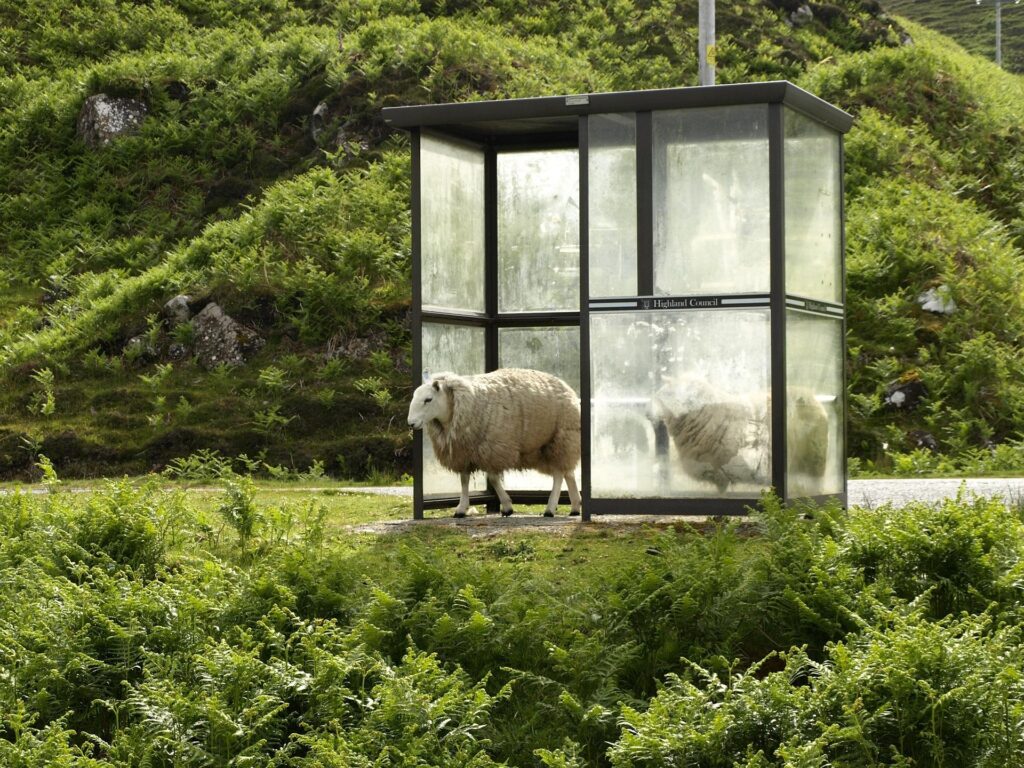
People often live further away from shops, workplaces, healthcare and other essential services than their urban counterparts. Public transport can also be less frequent, with some villages having limited or no regular bus services.
The government’s 2026 Future of Rural England report highlights the difference between rural and urban transport provision, noting that rural areas often have infrequent public transport to key destinations. It also found that rural households are more likely to rely on cars, with just 10% of rural households having no car or van in 2024, compared with 20% of urban households outside London.
For some people, particularly older residents, young people and those who cannot drive, these transport challenges can have a significant impact on everyday life.
More Than Just Getting Around
It’s easy to think of transport simply as a way of reaching a destination. But in a rural community, the ability to travel can have a much wider impact.
If someone can’t easily get to their local village hall, they may miss out on a weekly exercise class, social group, coffee morning or community event. Over time, fewer opportunities to participate can contribute to loneliness and isolation.
Cambridgeshire ACRE has highlighted the connection between rural transport, access to services and wellbeing, particularly for people living in more remote communities. Its work supporting rural communities also includes launching the Transport Planning Guide for Local Communities, designed to help local areas plan transport to help vulnerable residents reach appointments and other essential services.
Good transport links therefore help create opportunities for people to stay active, socialise and feel part of their community.
Community Venues Can Help Bridge the Gap
The good news is that community venues are already well placed to play a role in creating better-connected rural communities.
Village halls and other community buildings are often at the heart of rural life. ACRE describes England’s 10,000-plus village halls as important community assets, hosting everything from exercise classes and playgroups to healthcare services and shops. That makes them natural places for services and activities to come together.
For example, a community hall could host a weekly health clinic, reducing the need for residents to travel to a town. A regular social group could provide an opportunity for older residents to meet others locally. Community transport schemes could also use halls as convenient pick-up or drop-off points.
The more activities and services that can be brought into the heart of a village, the less often residents may need to make longer journeys.
Making Your Venue Easier to Reach
While transport provision is largely outside the control of individual venues, there are practical steps administrators can take to make things easier for visitors.
Start by making transport information easy to find. If there is a bus stop nearby, include details of the relevant routes and services when promoting your venue. If there is a community transport scheme operating locally, consider signposting visitors towards it.
It’s also worth considering walking and cycling access, parking availability and accessible drop-off points.
Historic England’s venue accessibility guidance recommends considering whether accessible public transport is available nearby, whether connecting transport is suitable for wheelchair users and whether visitors can easily find the venue without relying entirely on a smartphone.
These details may seem small, but they can make a significant difference to someone’s ability to attend.
Think About Transport When Planning Activities
Transport can also be considered when deciding what activities your venue offers.
Could a regular daytime class be scheduled at a time that coincides with a local bus service? Could several community groups coordinate their activities so that people have more opportunities to attend? Could your venue work with local organisations to bring services directly into the community?
These are relatively simple questions, but they encourage a wider view of accessibility. For venues with limited public transport nearby, it may also be worth talking to local councils, community transport providers and other organisations about what could be done collectively.
Better Connected Communities
The importance of rural transport is increasingly being recognised at a national level. The government’s Better Connected transport strategy, published in April 2026, aims to make transport in England safer, more reliable, affordable and accessible. Its priorities include dependable journeys, accessible travel, healthier communities and better use of data and technology.
The strategy specifically recognises the challenges faced by rural areas, including fewer public transport options and greater reliance on private vehicles. It calls for reliable, coordinated local bus services, alongside better walking, wheeling and cycling connections between smaller communities.
Technology may also help. Plans for real-time bus information, for example, could make it easier for rural passengers to plan journeys with greater confidence.
Keeping Rural Communities Connected
For community venues, the importance of rural transport ultimately comes back to one thing: participation.
A hall can only fulfil its role as a community hub if people are able to use it. Good transport links help residents reach activities, services and other people, while community venues provide the spaces where those connections can happen.
As a venue administrator, you may not be able to change the local bus network. But you can make transport part of the conversation about accessibility, work with organisations in your area and make it as easy as possible for people to find their way to your venue.
Because a well-connected community is one where people have genuine opportunities to participate, meet others and access the support and services they need – and community venues have an important role to play in making that possible.