


Loneliness has quietly become one of the biggest challenges facing people in the UK today. According to the Office for National Statistics, around 3.8 million adults say they feel lonely “often” or “always”. That’s a huge number, and behind every one of those statistics is someone who simply feels disconnected from others.
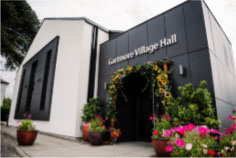
There isn’t a single solution, but I genuinely believe one of the best ways to help is through the places that have always brought people together: our community venues. From church halls and town halls to sports centres and libraries, these are the buildings where local life happens – and where connections can begin again.
Community Spaces Matter More Than Ever
Think about your local hall. Maybe it’s where you’ve been to a jumble sale, a quiz night, or a family celebration. Maybe it’s where your child’s dance group meets every week. These places quietly play such a huge part in our lives, often without us even realising.
But over the last decade or so, a lot of these places have had to fight to stay relevant. Some are run by volunteers who are stretched thin. Others struggle with funding or lack of awareness. And yet, the need for them, especially now, has never been greater.
A chat over biscuits at a community coffee morning might seem like a small thing, but for someone who’s been alone all week, it can make all the difference. These moments rebuild confidence, strengthen local ties, and create a sense of belonging that online interactions just can’t match.
And it’s not just emotional benefits, there are measurable health ones too. Studies show that regular social connection can lower blood pressure, reduce stress, and even extend life expectancy. That’s the quiet power of a local hall or centre that’s open, welcoming, and active.
Real Stories: The Rural Coffee Connect Van
A great example of this in action comes from the Rural Community Council (RCC) in Leicestershire and Rutland. They run a wonderful initiative called the Rural Coffee Connect Van, featured in their Impact magazine – and it captures perfectly what community connection can look like.
Their mobile coffee van travels between villages, bringing warmth (and plenty of caffeine) directly to isolated communities. In just three months, they connected with nearly 600 people across ten locations – not through complex programmes or expensive projects, but through simple cups of coffee and conversation.
One story stood out: a woman who’d been feeling lonely after losing her husband came along for a free cup of tea and a friendly chat. Through that small moment, she not only found companionship but also practical support – learning about local schemes that helped her lower her energy bills and stay warm through winter.
It’s a reminder that community connection doesn’t have to be grand to be powerful. A warm smile, a seat at a table, and a welcoming space can genuinely change someone’s day, and sometimes even their outlook on life.
What Community Venues Can Do
Every venue is different, and every community has its own needs and personality. But there are a few things that can make a real difference when it comes to tackling loneliness locally.
1. Create Regular, Low-Pressure Events
Not everyone is ready to join a big social club or class. Sometimes people just need something low-key – a warm space, a chat, a cup of tea. Coffee mornings, film nights, knitting groups, and “bring and share” lunches are all brilliant for this.
2. Reach Out to the People Who Don’t Normally Come
It’s easy to focus on the same groups that already use your hall, but loneliness often hides in plain sight. Try putting a friendly poster in the local shop, post office, or GP surgery. Ask regulars to invite a neighbour who might be on their own.
3. Build Partnerships
Working with local charities, schools, or faith groups can help you reach people who might not even know your venue exists. Joint projects also bring in new ideas – and often new energy.
4. Encourage Volunteers
Volunteering is one of the best antidotes to loneliness. It gives people purpose, routine, and connection. Many venues I’ve spoken to have said that their volunteers often gain as much from helping as visitors do from attending.
5. Keep the Door Open
Consistency is key. The more often your hall is open, the more chances there are for connection. Even if attendance starts small, persistence pays off.
Building Connections Beyond the Walls
One of the best ways to make a long-term impact is to think beyond what happens inside the hall. Reach out to other local groups – the football club, the WI, the parish council, the library. Partnering up can open doors (literally and figuratively) for events and initiatives you might not have considered before.
For example, a sports centre could host a walking club in collaboration with a local GP surgery; a church hall could run intergenerational craft sessions; a town hall might start a “Community Café” once a month. Each of these creates new entry points for people who might otherwise stay at home. Making sure it’s easy to promote and book these events is a vital step. Having a user-friendly booking system can help – this was our guiding principle when we built Hallmaster!
Why It All Matters
At its core, tackling loneliness isn’t about numbers or strategies. It’s about kindness. It’s about remembering that we all need one another, and creating spaces where people can be together naturally.
Community venues have always done that better than anything else. They remind us that belonging doesn’t have to be complicated. Sometimes, it’s just a hall, a kettle, a few chairs, and a friendly face.
If your hall, church, or community space is already helping to bring people together, then you’re part of something that changes lives in small, lasting ways.